Research Fields
Our research covers a range of topics in entomology, but focuses mainly on insect pollinators and their interactions with plants. We also explore the cryptic interactions between insects and the microbes they carry in their bodies. We study these interactions at various levels, from insect foraging and reproductive behaviour through to community ecology and ecosystem-level functions like pollination.
We do a lot of field work (which we like!) in some great places, but also use cutting-edge laboratory approaches, such as next-generation sequencing and advanced microscopy to pursue our science questions.
Our current research focuses on several aspects of pollinator biology:
Native Pollinators in Agriculture
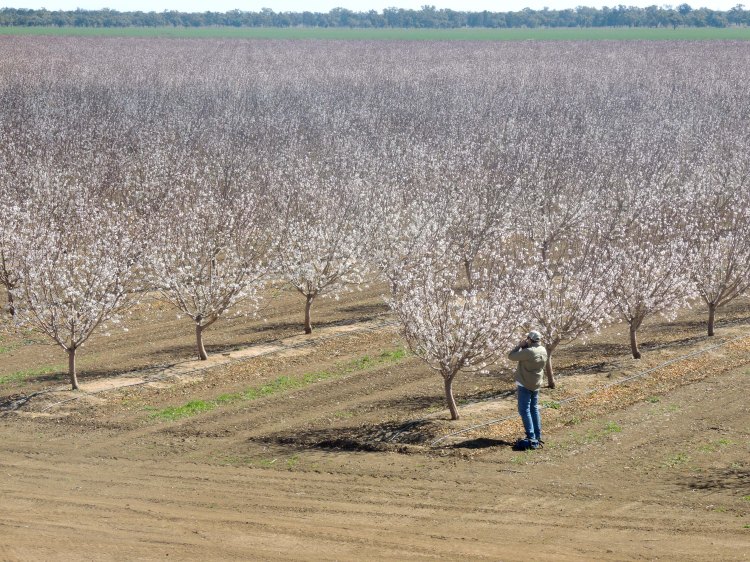
Honeybees are the best-known crop pollinators, but a diverse range of insects are crucial for particular crops and situations. We study the role of native bees and other insects in pollinating fruit, nut and vegetable crops. With this work we hope to build native pollinator populations and increase awareness in the agricultural sector.
Insect Diseases
It’s tough being a bee. There are all sorts of viruses that infect honeybees, along with bacterial and fungal diseases, hive enemies such as beetles and moths, and then the dreaded Varroa mite that has caused so much recent strife.
However, what about all the other bees and insect pollinators? We know very little about their susceptibility to honeybee diseases or the nature of their own viruses and bacteria. Our research focuses on discovering diseases of native bees and exploring bee diseases in a pollinator community context.

Pollinator Ecology
Pollinator communities face threats from habitat loss, agricultural intensification, urban development and climate change. We are studying pollinator communities and the floral resources that support them across the landscape. Our work aims to improve the understanding of native pollinator population dynamics so we can protect and foster these communities in an anthropogenic world.
Pollinator Mutualisms
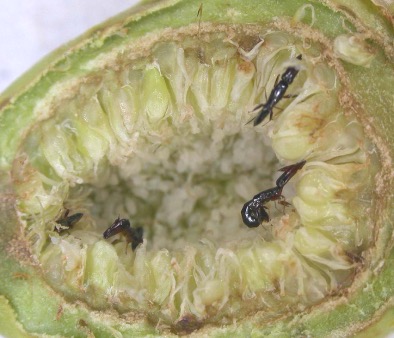
Some plants are pollinated by just one group of insects – fig trees and fig wasps are probably the most famous example. The insects pollinate the plant but their offspring eat some of the seeds. Figs and wasps need each other to reproduce and form an obligate mutualism. However, their interactions are an intriguing mix of costs and benefits (e.g. how many seeds should be eaten?) and they are models for studies of coevolution.
 The Pollinator Lab