Clients and Partners
Hort Innovation
Agrifutures
Griffith University
Project Duration
2024 – 2028
Lead Researchers
James Cook
Robert Spooner-Hart
James Makinson
Claire Allison
Robert McDougall
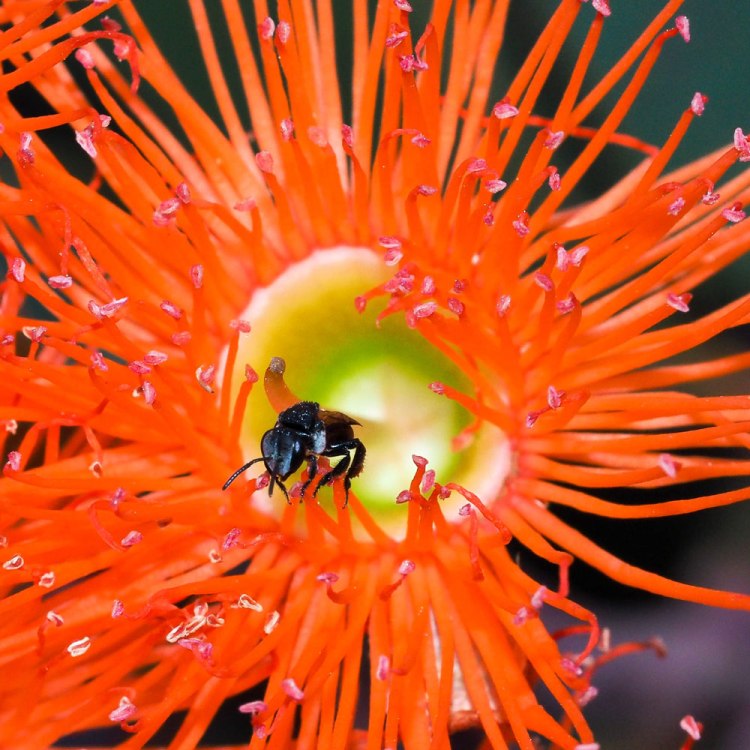
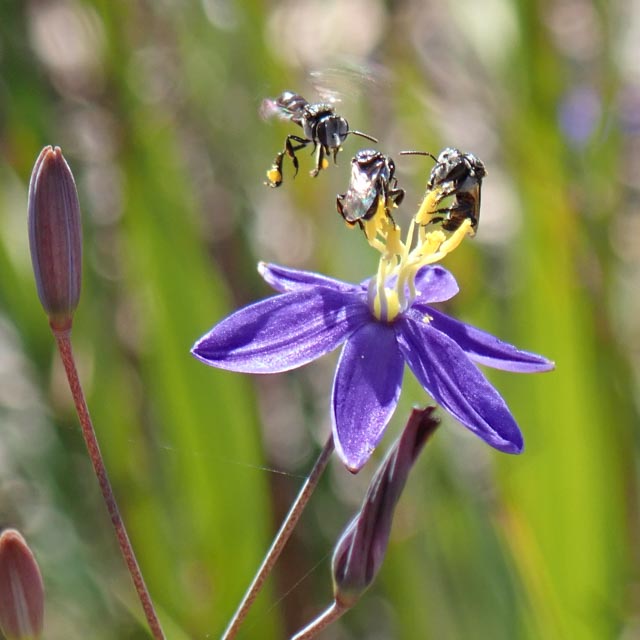
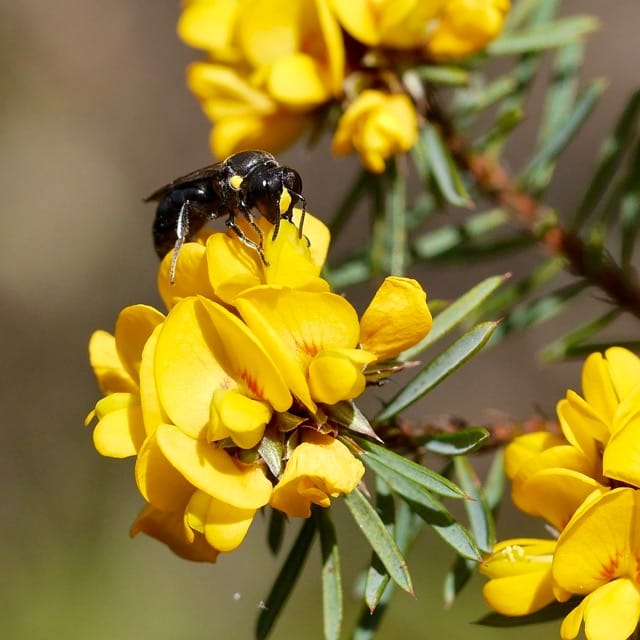
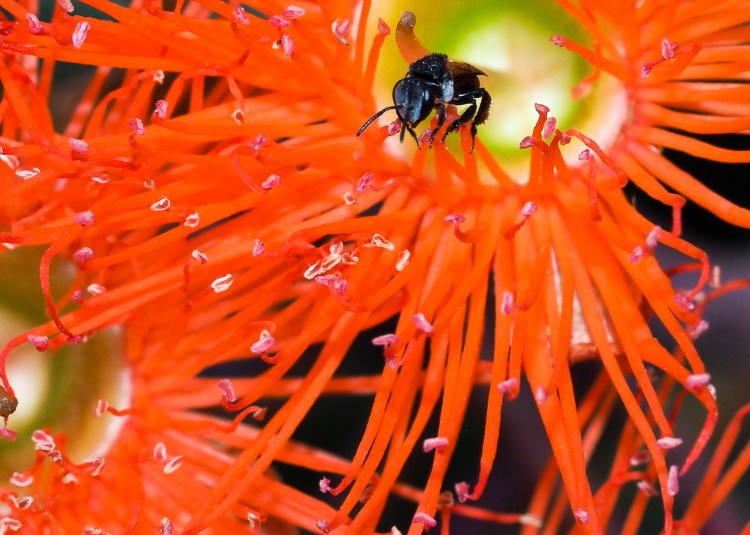
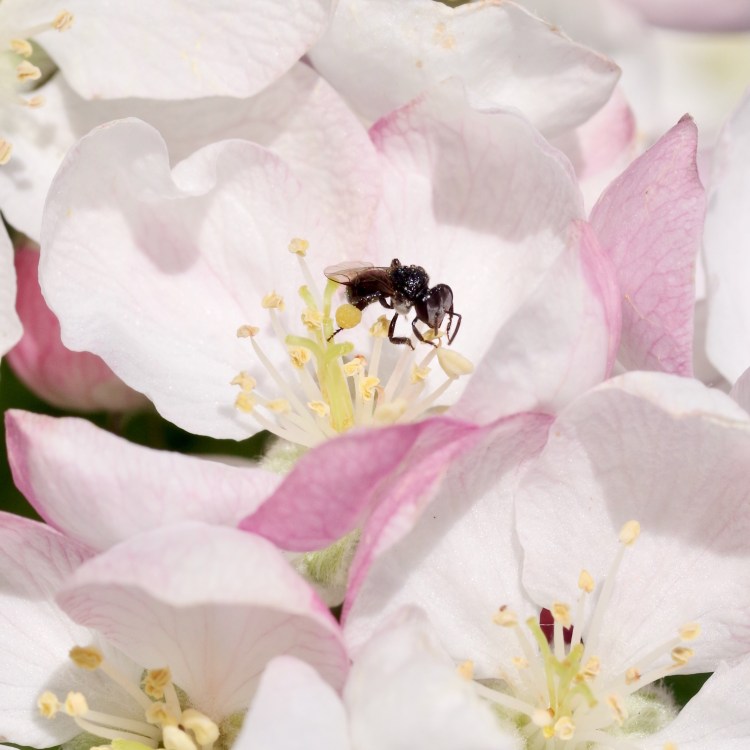
Honeybees are excellent pollinators in many situations, but it is risky to rely on one species in the face of threats from pests, diseases and climate change – a risk that has become all the more clear with the arrival of Varroa mite in Australia in recent years. In addition, honeybees are not good pollinators for all cropping scenarios. We therefore need to consider alternative pollinators, investigate their performance in different crops, and find better ways to propagate and deploy them. The leading candidates in Australia are stingless bees, which live in large colonies (like honeybees), pollinate a wide variety of plants, and can be kept in managed hives.
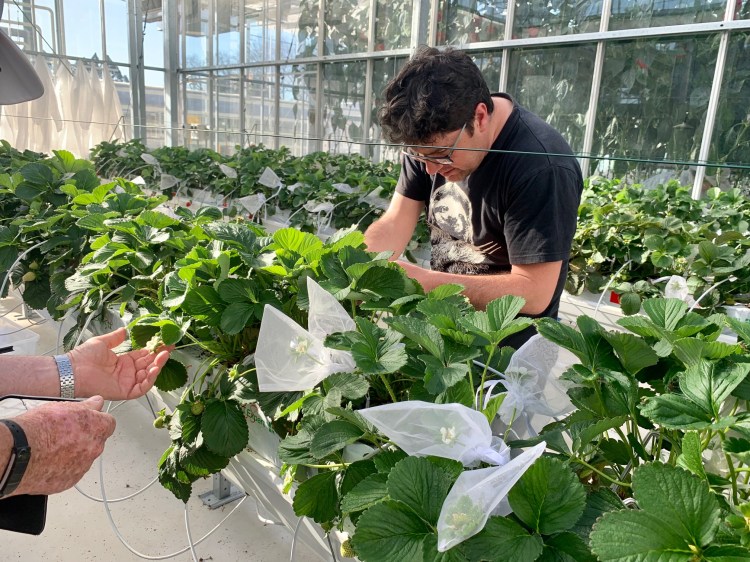
The Pollination Lab is now working on its second multi-year project investigating the expanded use of stingless bees as managed pollinators. We are continuing with our previous work looking at pollination efficiency of stingless bees in a range of crops, with a focus this time on emerging native crops like Finger Lime and Davidson Plum. We are also investigating the threats to stingless bees, looking at how they are impacted by pests, diseases and pesticides, with the overall goal of determining methods by which growers and beekeepers can manage these impacts and keep stingless bee populations safe and working effectively. Additionally, we are looking at alternative methods of propagating hives, investigating whether stingless bee populations can be increased more quickly to help the industry expand and fill the gaps left as Varroa mite makes honeybee keeping more difficult and expensive.